
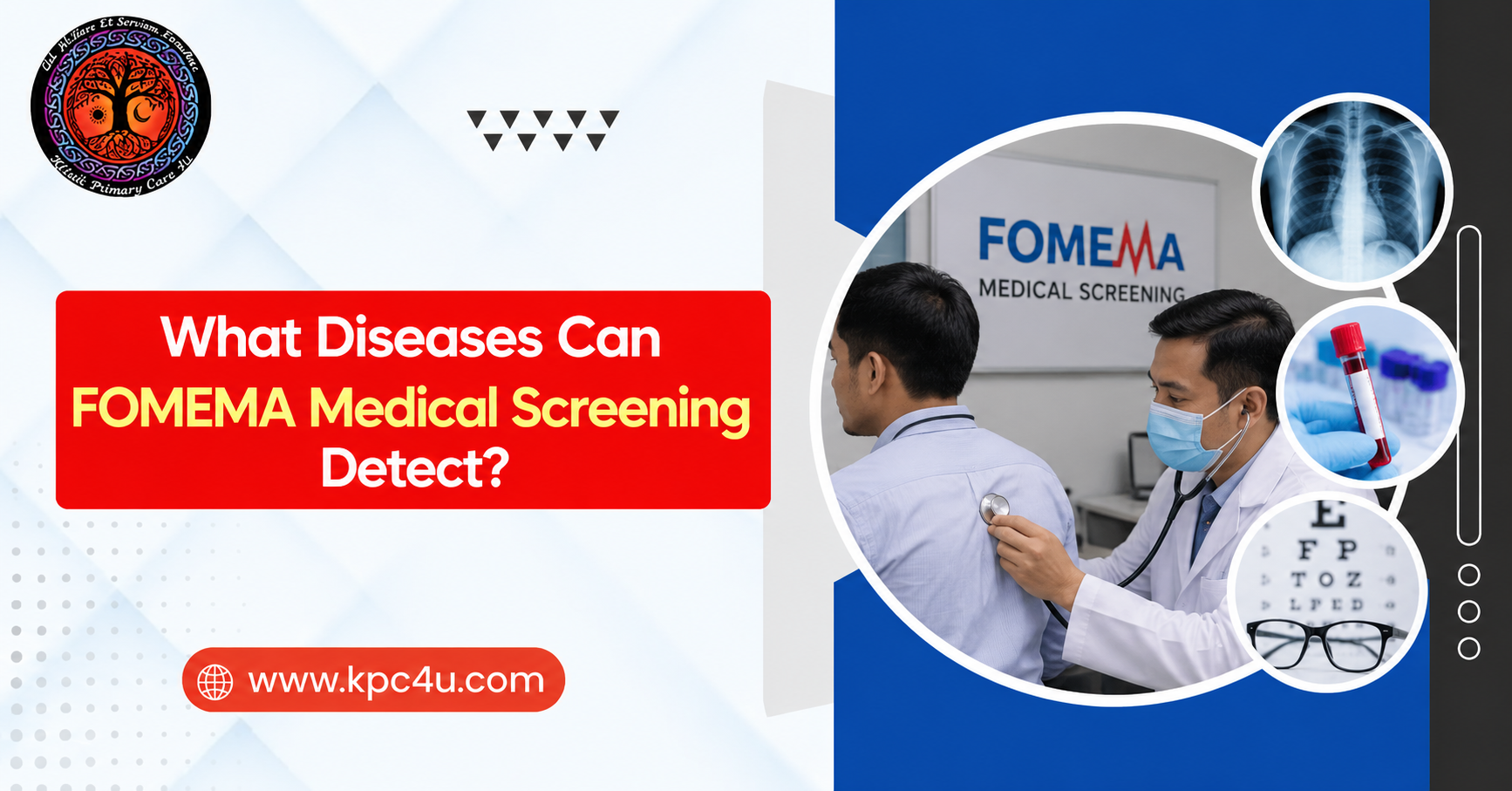
What Diseases Can FOMEMA Medical Screening Detect?
If you’ve just moved to Malaysia for work, or you’re an employer managing a team of foreign staff, chances are FOMEMA has already come up in conversation. It’s not optional, and most people find out about it the hard way — through a work permit form that suddenly needs a medical clearance attached. This article breaks down what FOMEMA Medical Screening actually checks for, why it’s required, and what to expect if you’re booking one soon.
What Is FOMEMA, Really?
FOMEMA stands for the Foreign Workers Medical Examination Monitoring Agency. It’s the body the Malaysian Ministry of Health put in charge of overseeing mandatory health checks for foreign workers. If you’re not a Malaysian citizen and you’re working here, you’ll need to go through this screening shortly after arrival, and again every year to keep your work permit valid. Some workers end up going to a Family health clinic in Kuala Lumpur for this, mostly because it’s easier to build a relationship with one clinic rather than hopping between different centres each year.
The reason this exists in the first place is fairly simple. Malaysia wants to catch communicable and chronic illnesses before they become a bigger problem, both for the individual worker and for the people around them at work or in shared housing.
Why the FOMEMA Medical Checkup Actually Matters
It’s easy to think of this as just another form to fill out before your visa gets approved. But there’s real substance behind it. Conditions like tuberculosis or hepatitis spread fast in close quarters, and a lot of foreign workers live in dormitory-style housing. Catching these things early isn’t just good for the person diagnosed — it protects everyone sharing that space.
Employers benefit too, even if it doesn’t always feel that way when they’re paying for it. A workforce that’s actually fit for the job means fewer sick days, fewer surprises, and less risk overall.
Diseases Detected by FOMEMA
Here’s where people usually want the specifics. What is the test actually looking for?
Infectious Diseases
This part is really the backbone of FOMEMA Health Screening.
- Tuberculosis — picked up through a chest X-ray. Still one of the most watched-for conditions because it spreads so easily in crowded settings.
- HIV — tested through blood work. Under current rules, a positive result usually leads to repatriation, which is one of the harder parts of this whole process for affected workers.
- Hepatitis B and C — again, blood tests. These can sit quietly in the liver for years without symptoms, so screening catches what a person might never notice on their own.
- Syphilis — blood test, treatable if caught in time.
- Leprosy — rare these days, but the physical exam still checks for it.
Chronic Conditions
This is the part people sometimes forget FOMEMA even covers. It’s not only about infections. A quick note here — a mandatory checkup like this has its limits, and it isn’t a substitute for a proper General Health Screening in Kuala Lumpur done every year or two if you want a fuller picture of your health.
- Diabetes, through blood and urine glucose testing
- High blood pressure, checked during the physical exam
- Kidney problems, flagged through protein or other abnormalities in urine tests
- Thyroid issues, sometimes caught through general bloodwork and physical signs
General Physical Check
Vision, hearing, mobility, and a look at overall organ health round out the exam. The chest X-ray does double duty here too, since it can flag lung issues beyond just TB. Some clinics also run an abdominal ultrasound depending on the job category, mainly to check for cysts or other structural issues.
Pregnancy Testing
Female workers are tested for pregnancy as part of the standard process. This still affects eligibility for certain roles under current Malaysian regulations, so it’s worth knowing about going in.
What Actually Happens During the Screening
A typical visit isn’t complicated. You’ll go through a physical exam with a doctor, give blood for several tests, provide a urine sample, and get a chest X-ray. Depending on the clinic, an ultrasound might be added too. Once everything’s done, results go into the FOMEMA system, and the clinic lets the employer or worker know the outcome directly. If something comes back abnormal, you’ll likely be asked to come back for a follow-up or repeat test.
Picking a Clinic That Won’t Cause Headaches Later
This part matters more than most people expect going in. A sloppy screening — wrong test, missed paperwork, delayed results — can hold up your work permit for weeks. It’s worth choosing somewhere with a solid track record, clear communication, and staff who actually understand the FOMEMA process rather than treating it like just another blood test.
Final Thoughts
At the end of the day, FOMEMA Medical Screening isn’t there to make life harder. It’s a genuine attempt to catch things like TB, hepatitis, diabetes, or high blood pressure before they turn into something more serious. For workers, it’s a chance to actually know where they stand health-wise. For employers, it’s a bit of peace of mind that their team is fit and ready to work. Knowing what to expect, and choosing a clinic that takes the process seriously, makes the whole thing a lot less stressful.
Frequently Asked Questions
Do all foreign workers in Malaysia need FOMEMA screening?
Pretty much, yes. There are a few exemptions, but the vast majority of foreign workers are required to go through it under current immigration and labour rules.
How often do I need a FOMEMA Medical Checkup?
Usually once shortly after arrival, then annually when renewing your work permit — though this can shift slightly depending on your employer and job type.
What happens if something turns up positive?
It depends on what’s found. Some conditions just need treatment and a retest. Others, like active TB or HIV, can unfortunately lead to repatriation under current health policy.
Can I go to any clinic for this?
No. It has to be a FOMEMA-accredited clinic or an approved panel provider. Not every clinic is authorised to run these tests, even if they offer similar-looking checkups.
Is this the same as a general health checkup?
Not quite. FOMEMA is narrowly focused on work fitness and disease control. If you want a broader look at your overall health, that’s really a separate conversation — worth having alongside FOMEMA, not instead of it.