
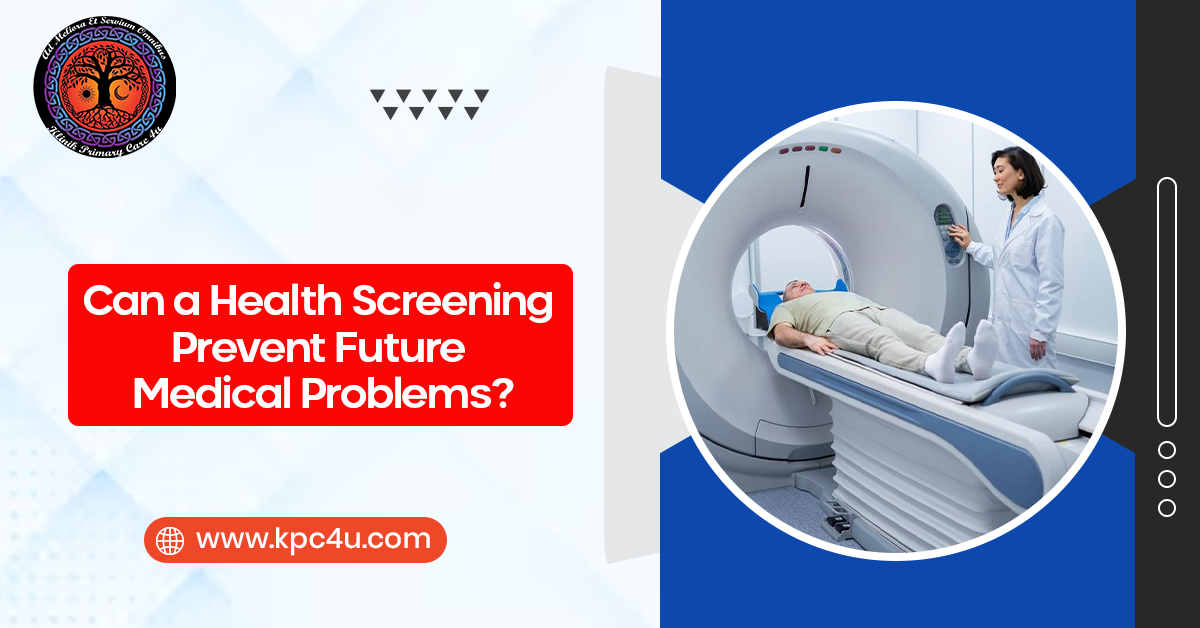
Can a Health Screening Prevent Future Medical Problems?
Introduction
Most of us only go to a doctor when we feel sick. But many health problems don’t have symptoms at first. Conditions such as diabetes, high blood pressure, high cholesterol, and even some cancers can develop silently for years.
This is why it is important to have regular health check-ups. A health screening helps find possible health problems early, even if you feel completely fine. It lets you take action before the condition becomes serious.
What Is Health Screening?
Health screening is a test that looks at your overall health. It’s used to help prevent disease. It has some basic tests to see if there are any health issues or risk factors hiding. Your doctor may recommend tests such as, depending on your age and medical history:
- Blood pressure check
- Blood sugar test
- Cholesterol screening
- Check BMI and weight
- Tests of kidney and liver function
- Heart health check
- Cancer screening was indicated
Can a Health Screening Prevent Future Medical Problems?
The answer is yes—but not by stopping diseases from happening.
Screening for health lets you catch problems early. Generally, it is easier to manage a condition when diagnosed in its early stage. Treating it early can also lower the risk of serious complications down the road.
For example, if your blood sugar is a little high, you may be able to prevent diabetes with healthy eating and regular exercise. Early treatment of high blood pressure can also decrease the risks of a heart attack or stroke.
Health Problems That Can Be Found Early
A health screening can help detect several common conditions before symptoms appear.
Heart Disease: High blood pressure and high cholesterol often have no warning signs. Regular screening can help identify these problems before they affect your heart.
Diabetes: Many people are unaware that they have diabetes until complications develop. That means a simple blood test can catch diabetes or pre-diabetes early on.
Kidney and liver problems: Blood and urine tests can tell you if your kidneys and liver are working before you have any symptoms.
Some Cancers: Recommended screening tests can help find some cancers early. Early detection of cancer often leads to better treatment outcomes.
Why Early Detection Matters
Early diagnosis of a disease often means easier and more effective treatment. It may also reduce medical bills and improve recovery. Getting it early also allows time to make healthy lifestyle changes. Simple changes to your daily routine can make a big difference to your long-term health.
Who Should Get Screened for Health?
Even if you feel perfectly healthy, everyone should get a health screening. But it’s especially important if you:
- 30 years of age or more
- Family history of diabetes, heart disease, or cancer
- The person is overweight or obese
- Smoke or drink alcohol regularly
- Live a busy or stressful lifestyle
- Suffer from high blood pressure or high cholesterol
What Happens During a Health Screening?
Health screening is a simple process, and it usually doesn’t take much time. The specific tests will vary based on your age, health status, and medical history, but often a routine screening may involve:
- A discussion of your medical history and your family’s health history
- Physical exam, including height, weight, and blood pressure
- Blood and urine tests for your general health
- Heart tests, such as an ECG, if recommended
- Cancer screening or other specialised tests based on your age and risk factors.
Once your test results are available, your doctor will talk to you about the reports. “If something needs attention, they’ll explain what to expect next and might suggest treatment, additional tests, or simple lifestyle changes to help you stay healthy.
Is Health Screening Necessary If You Feel Healthy?
Yes. Feeling healthy doesn’t always equate to everything being normal. Many health problems develop without pain or symptoms over time. By the time symptoms appear, the disease may already be advanced.
Regular Health Screening in Kuala Lumpur can help to identify these silent health problems at an early stage and provide you with peace of mind.
How often should you be screened?
There is no one-size-fits-all schedule. It will depend on
- Your age
- Medical history of the family
- Current health concerns
- Your lifestyle and your daily routines
Some individuals may only need a health check-up once a year, but others might need to be screened more often. The best thing to do is to follow your doctor’s advice and not wait until symptoms appear to be checked.
Conclusion
Regular check-ups are important because many health problems have no symptoms initially. This helps to spot changes early and gives enough time to take the right steps. By being aware of your health today, you can avoid unnecessary concerns tomorrow.